Feedstocks
Crops can be grown specifically for use in anaerobic digestion. Each of these feedstocks can be integrated into current crop rotations or management practices.
Crop rotation can help to replenish nutrients in the soil, help condition and reduce the occurrence of soil-borne diseases, all the while encouraging enhanced yields from subsequent crop. Land which is not suitable for the production of food crops may be suitable to supply biomass to AD plants
Our anaerobic digester utilises these sustainable crops to produce clean, renewable energy. These crops are specifically chosen because of their:
- Renewable Energy: They provide a consistent and renewable source of biomass for energy production.
- Environmental Sustainability: Using energy crops reduces reliance on fossil fuels and minimises greenhouse gas emissions.
- Economic Advantages: Farmers can benefit from additional revenue streams by growing energy crops.
- Soil Health: Many of these crops improve soil structure and fertility, promoting sustainable agricultural practices.
Below are some of the key crops we use at TREL.
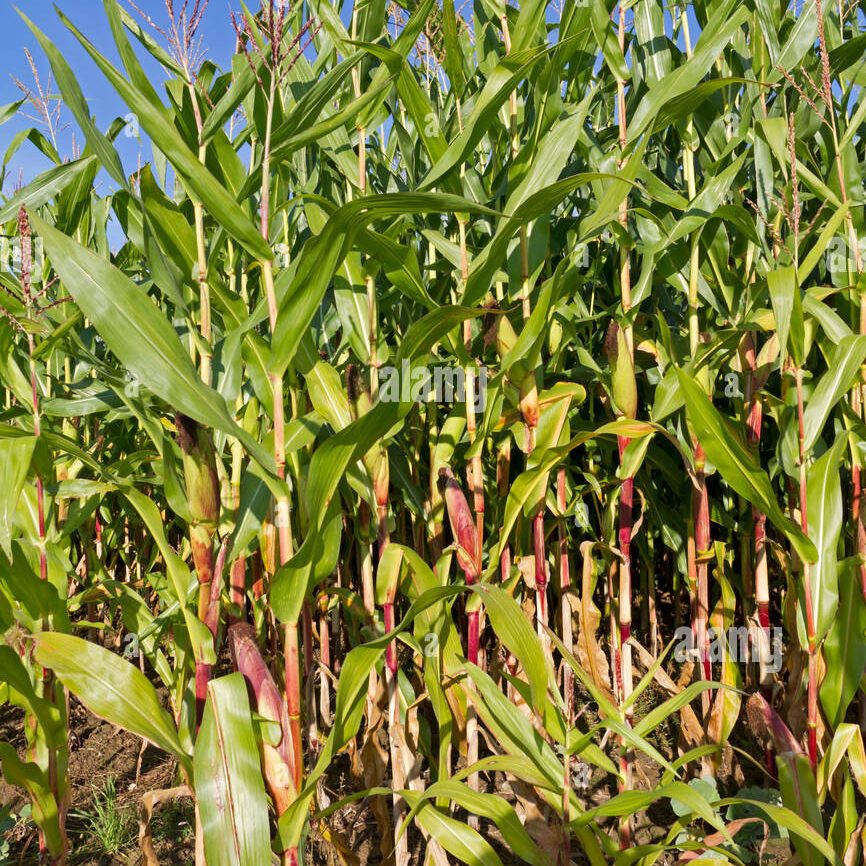
Maize
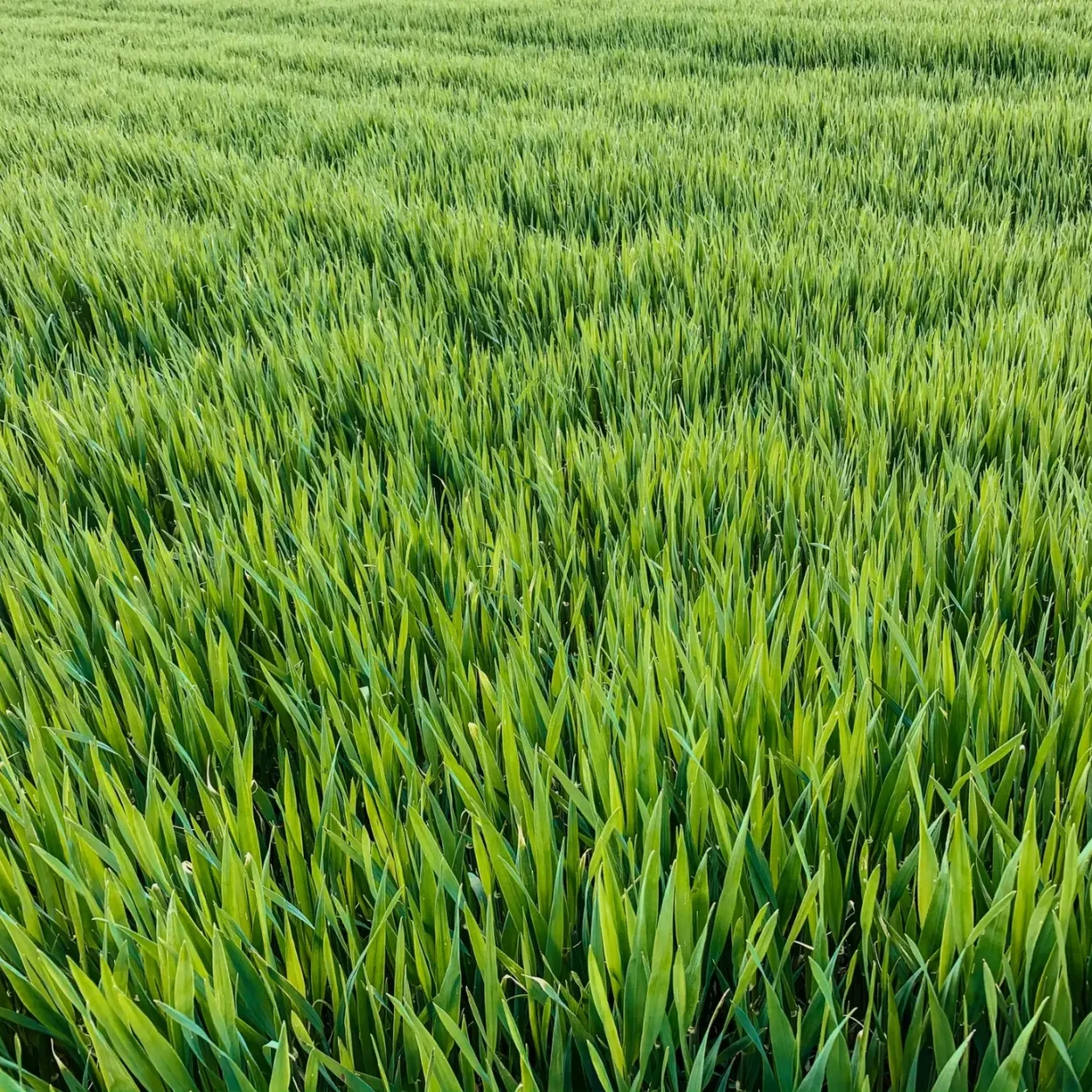
Grass
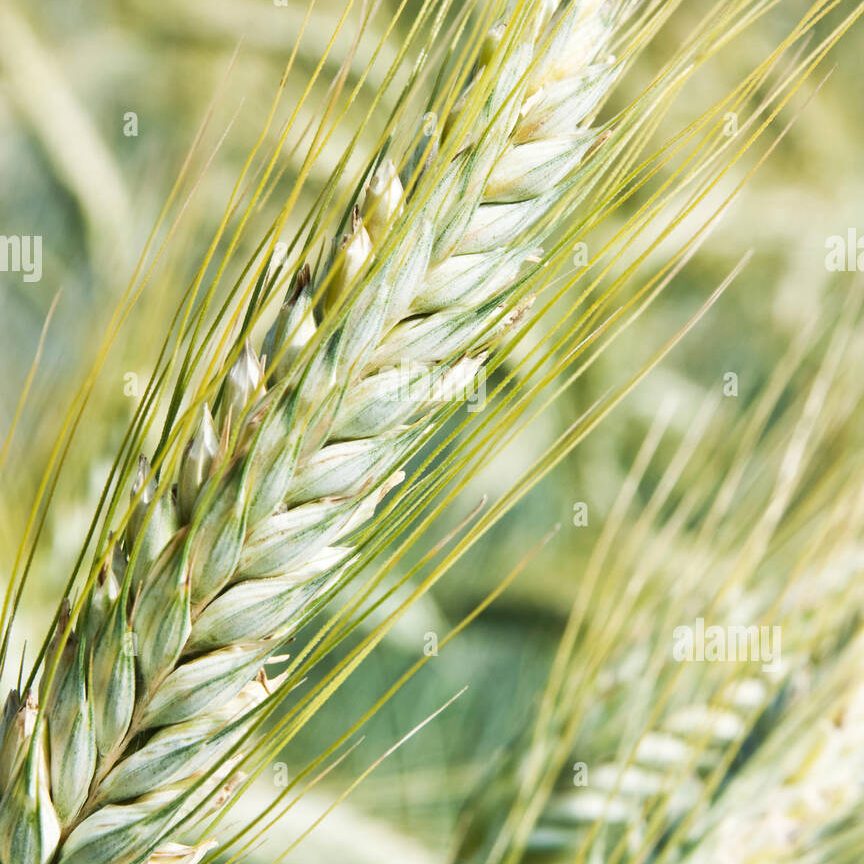
Wholecrop Cereals
TREL use these crops as they are excellent feedstocks for anaerobic digestion. They have a high energy content, and therefore a high biochemical methane potential, meaning they can produce a significant amount of biogas. Maize, in particular, is known for its high sugar content, which enhances methane production. The crops provide a stable and reliable feedstock, ensuring consistent biogas production and efficient operation of the anaerobic digester The resultant digestate produced from these feedstocks is rich in essential nutrients like nitrogen, phosphorus, and potassium, making it an excellent fertiliser for agricultural use